Student profile - Nick Coffin
Final year MBChB Medicine and Surgery student
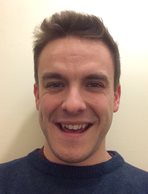
Nick Coffin "For my elective I was attached to one of the trauma teams at the R Adams Cowley Shock Trauma Center in Baltimore – arguably the world’s leading trauma centre. It was an amazing opportunity to witness first-hand the work that this centre does both at the patient level, all the way from immediate trauma resuscitation through to discharge, and internationally in spearheading the development of trauma care around the world."
What inspired you to study medicine?
I was really interested in Biology at school - particularly the physiology and function of the human body - and so knew I’d enjoy learning about and studying this further throughout higher education and my career. I also knew that I wanted a career in a field that is dynamic: constantly changing and evolving in terms of its knowledge and capabilities, seeking to question more, discover more, and deliver more, one which requires you to think, be active and on your feet, and to solve problems. I also love meeting and interacting with other people and so all of this led me to the conclusion that a career as a doctor was exactly what I was looking for.
Why did you choose to study at the University of Birmingham?
I was hugely impressed with Birmingham as a University when I came to an open day, mainly for its course structure, its pastoral care and the way in which it supports its students, and the exceptional hospitals and NHS trusts that the University partners with for our clinical placements. I realised that many of the country’s finest centres for different medical and surgical specialties are based in Birmingham and the West Midlands, and I therefore felt that the clinical exposure and experience that I would get during my training would be unparalleled.
What do you like about the course?
For me now the highlight is the clinical training that I get to have daily in what I feel are some of the best hospitals in the country. The things I really enjoyed during the first few years include the way in which your pre-clinical studies (which focus on anatomy, biochemistry, physiology, genetics etc.) are complemented by early clinical exposure in General Practice placements to give you early clinical experience, and begin to develop skills in you vital to a doctor such as communicating with patients, professionalism and responsibilities, and delivering care. Birmingham also gives you opportunities to pursue your interests – whether that be through intercalating and exploring research, or teaching, through the innovative way first year students are taught Basic Life Support skills in their first few weeks and months at university by older students in a peer-led model, or by providing a wide variety of opportunities to explore different specialities when it comes to the ‘student selected components’ of the course.
How did you find the elective experience?
Being in my final year I undertook my elective last year as in Birmingham this course highlight falls immediately after the fourth year exams. I was attached to one of the trauma teams at the R Adams Cowley Shock Trauma Center in Baltimore – arguably the world’s leading trauma centre. It was an amazing opportunity to witness first-hand the work that this centre does both at the patient level, all the way from immediate trauma resuscitation through to discharge, and internationally in spearheading the development of trauma care around the world.
What do you get up to when you're not in lectures or studying?
Whilst the timetable can be fairly full at times, there’s undoubtedly always time for medical students to socialise, and I think getting this balance right is so important to having an enjoyable and successful time at medical school. Birmingham’s MedSoc (medical society) has a huge membership and always works to provide sports teams, societies based on hobbies from drama to mountaineering, and clinical specialty interest societies, all designed to allow you to socialise and do something you enjoy at times that medics are free - important as a lot of university based societies will meet during working hours. This means that over the years I’ve been able to get involved in sports, musicals, orchestras, emergency and critical care medicine interests, teaching and attend a whole load of social events.