
Nobel Prize Laureate gives lecture at University of Birmingham
Nobel Prize winner, Professor Shimon Sakaguchi, gives inspiring lecture at the University of Birmingham whilst visiting to launch new project.
Nobel Prize winner, Professor Shimon Sakaguchi, gives inspiring lecture at the University of Birmingham whilst visiting to launch new project.

Professors Ye Oo, Shimon Sakaguchi, David Adams and Neil Hanley (from left to right).
Longstanding collaborator, Professor Shimon Sakaguchi, from Osaka University visited the University of Birmingham’s Edgbaston campus last week to meet with researchers who will work with him on an ambitious multimillion-pound Wellcome Discovery Award.
Whilst at the University of Birmingham, Professor Sakaguchi gave a lecture on his journey to Nobel Prize recognition, the highest honour in science. A large audience of approximately 400 staff, students, local clinical-academics, research partners and charitable funders joined Professor Sakaguchi in the Elgar Concert Hall, hearing how his ground-breaking research uncovered a special class of immune cells that act as peacemakers prevent harmful immune responses and maintain immune balance in the body.
Looking to the future, the lecture turned to how these remarkable cells could transform the treatment of autoimmune diseases, open the door to new therapies that harness the body’s own immune system to heal.
The eight-year Wellcome Discovery Award is led by Birmingham’s Professor Ye Htun Oo, from School of Inflammation, Infection and Immunology, who will work with Professor Shimon Sakaguchi from Osaka University, Professor Graham Anderson from Birmingham and Professor Calliope Dendrou from the University of Oxford on a visionary programme “Stop the clock on chronic inflammation” to understand the immune system’s regulatory mechanisms, with a particular focus on the liver.
The goal is to transform the treatment of autoimmune diseases by halting chronic inflammation at its source. The primary proof-of-concept is in the liver, where Birmingham has significant research strength and one of the biggest liver transplant centres in Europe, but eventually the plan is to extend the therapy to other autoimmune conditions that damage the gut, skin, joints and other organs.
Professor Sakaguchi was awarded an honorary Doctor of Science degree by the University of Birmingham in 2019 in recognition of his vision and research driving the development of regulatory T cells as therapeutic in autoimmunity and organ transplantations.
“This week's lecture by Professor Sakaguchi truly was a fantastic opportunity for our community to meet a scientific trailblazer whose ground-breaking work has transformed our understanding of the human immune system. It is simply inspiration for the next generation of researchers. Moreover, welcoming a Nobel Prize Laureate as a friend and collaborator reflects true status of our research and place in the world,” commented Professor Neil Hanley, Pro-Vice Chancellor and Head of College of Medicine and Health, University of Birmingham.

Professor of Autoimmune Liver Diseases and Translational Hepatology
Staff Profile for Professor Ye Htun Oo, Professor of Autoimmune Liver Diseases and Translational Hepatology, College of Medicine and Health, the University of Birmingham.
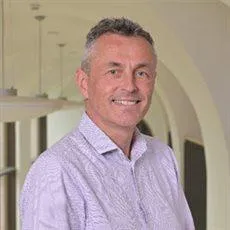
Pro-Vice-Chancellor and Head of the College of Medicine and Health
Professor Neil Hanley is Pro-Vice-Chancellor and Head of the College of Medicine and Health at the University of Birmingham.
