

RadNet Birmingham Team
Our Birmingham team form a dynamic and inclusive team committed to excellence and innovation in tackling major challenges in radiation oncology and radiobiology.
Directors
Directors
RadNet Director: Professor Jason Parsons

Professor Jason Parsons is the Chair of Radiobiology across the Department of Cancer and Genomic Sciences and the School of Physics and Astronomy.
Jason’s research interests are in the examination the molecular and cellular effects of different forms of radiotherapy on tumour models, with a focus on head and neck cancers and those of the adult brain (glioblastoma). Specific interests are in targeted radiotherapies including proton beam therapy and other more densely ionising (high-LET) treatments such as boron neutron capture therapy, utilising the unique radiation facilities present in Birmingham including the MC40 cyclotron and high flux accelerator-dive neutron source. Jason also has interests in exploring the biological impact of hypoxia and ultra-high dose rate (FLASH) delivery, and the identification of novel or targeted drugs that can optimise the radiotherapy response.
RadNet Co-Director: Professor Stuart Green

Professor Stuart Green is Director of Medical Physics at University Hospital Birmingham and (Hon) Prof of Physics in the University of Birmingham. He has been involved in development of physics-based techniques for the treatment of cancer for many years, conducting research into aspects of proton beam therapy and boron neutron capture therapy.
Stuart provides expertise which bridges between the radiobiology work being conducted and the radiation sources in the School of Physics and Astronomy. He works to ensure that irradiations (protons, helium, BNCT) are delivered in a way that is highly reproducible and for which the radiation doses are well understood. In the medium and longer term, his aim is to broaden the base of radiotherapy-related research in Birmingham to include more people and research activities from both the University and University Hospitals Birmingham NHS Trust, also involving collaborators from further afield.
Senior Administrator
Senior Administrator
Ms Hayley Comins

Group Leaders
Group Leaders
Professor Jo Morris
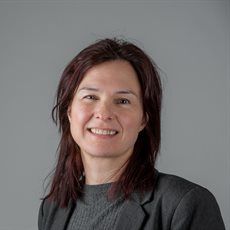
Professor Jo Morris is the Chair of Molecular Genetics in the Department of cancer and Genomic Sciences
Jo is interested in the way our cells maintain and repair our genome, keeping our DNA intact, including in response to ionising radiation. A particular interest is the functions of the breast and ovarian cancer predisposition protein BRCA1 and the way it works in controlling DNA resection and DNA replication. She also works on the small modifier proteins, ubiquitin and SUMO and is interested in how these change the way that proteins behave in order to aid DNA repair and DNA replication. Jo is supporting work to examine the impact of protons and high-LET radiation on DNA damage signalling and replication responses.
Professor Daniel A. Tennant
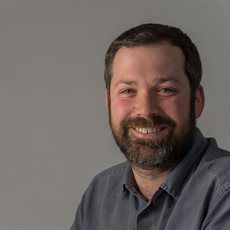
Professor Daniel Tennant is a Professor of Biochemistry in the Department of Metabolism and Systems Science.
Dan is interested in using stable isotope tracers to investigate changes in the use of nutrients in conditions where oxygen is limiting (hypoxia), or in the presence of genetic mutations that induce a hypoxia-like response. Dan applies the fundamental knowledge gained from these research projects to understand the pathogenesis of cancer, with a particular focus on adult brain tumours (glioblastoma), but also how the metabolic network responds to different types of ionising radiation.
Professor Jo Parish
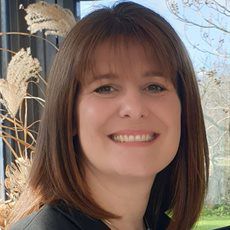
Professor Jo Parish is the Professor of Tumour Virology in the Department of Cancer and Genomic Sciences.
Jo’s research interest are in the study of novel virus-host interactions that are important for viral pathogenesis and persistence. Jo has a longstanding interest in the molecular biology of human papillomavirus (HPV) life cycle and uses state-of-the art model systems and technologies to study HPV replication, persistence and transcriptional control, knowledge of which is important for the development of HPV-driven head and neck cancers. Jo has developed primary keratinocyte-based models of HPV infections, which are being used to exploit the impact of different types and FLASH delivery of ionising radiation.
Professor Andrew Beggs
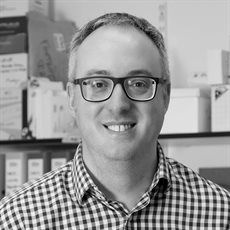
Professor Andrew Beggs is the Professor of Cancer Genetics and Surgery in the Department of Cancer and Genomic Sciences.
Andrew’s lab research encompasses organoid models of cancer, cancer biology and omics technologies in medicine. His major research interests include solid tumour cancer biology and translational medicine. Andrew is supporting the development of new models of head and neck squamous cell carcinoma, glioblastoma and paediatric tumours which are being utilised in radiotherapy research to identify effective strategies, including with combination therapies, that can be translated to the clinic.
Professor Hisham Mehanna
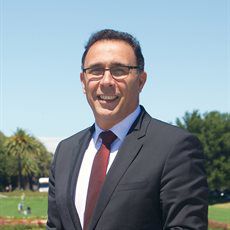
Professor Hisham Mehanna is the Chair of Head and Neck Surgery, and is the Director of the Institute of Head and Neck Studies and Education (InHANSE) at the Department of Cancer and Genomic Sciences.
Hisham is a head and neck and thyroid surgeon with clinical interests in recurrence in thyroid and parathyroid surgery. Hisham leads a team focusing on research of diseases of the head, neck and thyroid, and on the education of health professionals in the field. His team have led a number of practice-changing head and neck cancer radiotherapy trials including CompARE, DeESCALaTE (combination with cisplatin or cetuximab), Wisteria (WEE1 inhibitor combination) and the ADePT-DDR (ATR inhibitor combination) trial.
Professor Colin Watts
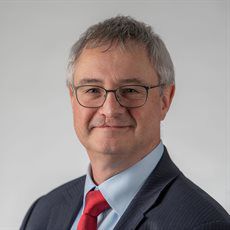
Professor Colin Watts is the Chair of Neurosurgery in the Department of Cancer and Genomic Sciences, and leads the Brain Cancer Programme at the University.
His research aims to improve the treatment and survival of patients with glioma by understanding the molecular genetic heterogeneity of individual tumours and using that data to develop novel molecular and functional stratification suitable for application in clinical trials. His clinical practice specializes in neurosurgical oncology with a particular interest in intrinsic gliomas and cerebral metastases. Colin is supporting work analysing the responses of GBM models to protons and high-LET radiation, including BNCT, and discovering optimal radiotherapy strategies for translation.
Dr Susanne Gatz
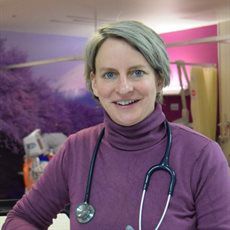
Dr Susanne Gatz is an Associate Professor in Paediatric Oncology at the Department of Cancer and Genomic Sciences and an Honorary Consultant in Paediatric Oncology at the Birmingham Children’s Hospital (part of the Birmingham Women’s and Children’s NHS Foundation Trust).
Susanne combines her clinical expertise in solid tumours and early Phase trials with her laboratory interests and expertise in translational research into DNA repair and sarcoma to ultimately identify better treatments for children with cancer, in particular sarcomas. Susanne has involvement in a portfolio of paediatric cancer trials from a clinical and academic angle (such as the overarching platform trial FaR-RMS for rhabdomyosarcoma patients and the Acse-ESMART trial). Selected committees: Susanne is chairing the Phase I/II committee of the European paediatric Soft tissue sarcoma Study Group (EpSSSG) and is member of the EpSSG biology committee, the European Ewing Consortium (EEC) novel agents and biology committee, Innovative Therapies for Children und Adolescents with Cancer (ITCC) solid tumour steering committee, the paediatric Novel Agent Group of the Children’s Cancer and Leukaemia Group. In the setting of the RadNet network, Susanne will be helping co-ordinate research in rhabdomyosarcoma and possibly other childhood sarcomas where the impact of different radiotherapy types including with combinatorial inhibitors is being examined, and will be leading on taking forward potential new therapeutic concepts arising from this work in the clinical trial setting.
Professor Pam Kearns
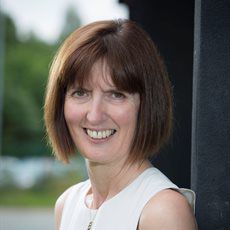
Professor Pam Kearns is Emeritus Professor of Clinical Paediatric Oncology at the University of Birmingham.
Pam was the Director of the Cancer Research UK Clinical Trials Unit (CRCTU) from 2012 to 2023 Here she led the research strategy for one of UK's largest cancer trials unit, delivering a trials portfolio of over 100 multi-centre and international cancer trials for a wide-range of cancers, occurring in all children, young people and adults, notably leading the National Children’s Cancer Trials Team responsible for the vast majority of UK’s clinical trial portfolio for children and young people with cancer. and Director of the Institute of Cancer and Genomic Sciences from 2021-2024.
Pam is also a Deputy Chair of the Board of Trustees for Cancer Research UK, President of the European not-for-profit consortium ‘Innovative Therapeutics in Childhood Cancer’ (ITCC) and is a Founding Board member of multi-stakeholder platform ‘ACCELERATE’, promoting drug development for cancer in children and young people. Pam has interests on research in childhood acute leukaemia’s and lymphomas and drug development, and innovation in the design and delivery of clinical trials for childhood cancers. In addition to helping guide paediatric research, Pam is providing strategic direction and support to RadNet Birmingham.
Professor Amos Burke
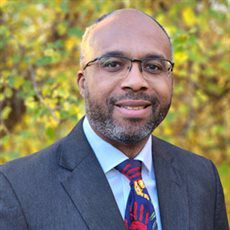
Professor Amos Burke is Professor of Paediatric Oncology in the Department of Cancer and Genomic Sciences and an Honorary Consultant Paediatric Oncologist at Birmingham, Women and Children’s Hospital.
Amos is Director of the Cancer Research UK Clinical Trials Unit (CRCTU) and leads the research strategy for one of the UK’s largest and an internationally important clinical trials units that delivers a trial portfolio over a wide range of cancers occurring in children, young people and adults. Amos has research interests focussed on childhood non-Hodgkin lymphoma, and is supporting RadNet Birmingham’s radiotherapy research into paediatric cancers.
Infrastructure support
Infrastructure support
Dr Emma Melia

My research centres on understanding the effects of high-LET radiation, such as alpha particles/helium ions, in head and neck cancer models. I am particularly interested in elucidating the cellular pathways activated in response to high-LET exposure, with an emphasis on the DNA damage response. Through this work, I aim to identify novel therapeutic targets and characterise the mechanistic basis for the enhanced radiosensitivity.
Dr Olga Yevlashevskaya

I am a Research Fellow in the RadNet Birmingham team, focusing on the development of cancer organoid models to test radiotherapy treatments. My research primarily involves glioblastoma, head and neck cancer, and rhabdomyosarcoma. These models aim to enable a more time-efficient and patient-specific approach to cancer therapy testing.
Dr Ryan Morris

My research is focused on how we can target DNA damage response pathways to make cancer cells more suspectable to radiotherapy. I have a particular interest in head and neck cancer, which is the 9th most common malignancy in the UK. In my work, I have been utilising different models of head and neck cancer and assessing how we can radiosensitize these tumours through using pathway inhibitors.
Dr Ben Phoenix
PhD students
PhD students
Ms Harriet Palmer-Coulson

Glioblastoma is the most common type of adult brain cancer, and has a median prognosis of only 15 months. Radiation (with chemotherapy) is the most common treatment for glioblastoma. Unfortunately, glioblastoma is often radioresistant partially due to changes in the metabolism of cancer cells. The aim of this project is to explore how radiation effects the metabolism of cancer cells with the intention of countering these changes to increase the radiosensitivity of glioblastoma.
Ms Isobel Lock

My research focuses primarily on helium ion therapy, starting with the characterisation of the helium beam at the MC40 cyclotron to enable radiobiological experiments. My PhD combines physics and radiobiology, using experimental measurements and Monte Carlo simulations to study the biological effects of alpha particles. I am developing experimental protocols and techniques to allow precise and reproducible studies of particle interactions with biological systems